Nikita Gorbachev
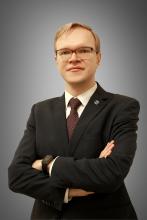
Neurologist, Department of Sleep Medicine, Sechenov University
Abstract: Restless legs syndrome (RLS) is a common condition seen by neurologists, movement disorders specialists, and somnologists. The pathophysiology of RLS is not fully understood, making treatment for this condition ineffective. Before initiating treatment, patients undergo laboratory testing for ferritin or transferrin saturation. If iron deficiency is detected (ferritin level < 75 μg/dL and transferrin saturation < 20%), patients are prescribed iron replacement therapy. Symptom relief medications are also prescribed. These include alpha-2-delta ligands (pregabalin, gabapentin) and dopamine receptor agonists. However, the therapeutic effect of drug therapy for at least one year remains insufficient. This is due to the natural progression of RLS and, in the case of long-term use of dopaminergic drugs, augmentation (a paradoxical increase in symptoms with increasing drug dose). Therefore, the search for additional treatment methods, including non-drug ones, is relevant. Non-pharmacological treatments for RLS are discussed: pneumatic compression, direct current electrical stimulation of the spinal cord, transcranial magnetic stimulation, and deep brain stimulation. These methods influence the afferent pathways through which nerve impulses spread from peripheral receptors to the central nervous system. The effectiveness of these methods was assessed using the International RLS study group severity scale. It has been demonstrated that in mild cases of the syndrome, these methods can significantly alleviate symptoms without drug therapy. However, in severe cases, non-pharmacological treatment can only be used as an adjunctive therapy, with drug therapy remaining the primary method of symptom management.
Keywords: restless legs syndrome, pathogenetic treatment, afferent therapy
Speaker: MD, PhD, neurologist at the Sleep Medicine Department at Clinical Hospital No. 3 of I.M. Sechenov First Moscow State Medical University, Ministry of Health of the Russian Federation.
Provides outpatient care in the following areas:
- Sleep-related movement disorders (restless legs syndrome, bruxism);
- Insomnia;
- Excessive daytime sleepiness (hypersomnia);
- Parasomnias (sleepwalking, night terrors, nightmares, etc.);
- Snoring and Sleep Related Breathing Disorders;
Professions: Cognitive behavioral therapy for insomnia (CBT-I).
Education:
- Higher education: Faculty of General Medicine, I.M. Sechenov First Moscow State Medical University, Ministry of Health of the Russian Federation (Sechenov University), qualification: physician;
- Clinical residency in the Department of Nervous System Diseases, Institute of Professional Education for Physicians, I.M. Sechenov First Moscow State Medical University.
- Postgraduate study at the Department of Nervous System Diseases and Neurosurgery, Institute of Clinical Medicine, I.M. Sechenov First Moscow State Medical University;
- Author of 15 publications in medical journals.
- Secretary of the Russian Society of Sleep Medicine.